Source Folding Telescopic Truck Mounted Crane for Construction, Logistics, and Utilities
Compare 30 Folding Telescopic Truck Mounted Crane options from Hubei, China. Buyers can evaluate specifications like lifting capacity, horsepower, and transmission types to find suitable units for construction, logistics, and utility applications.
Key considerations
Products List
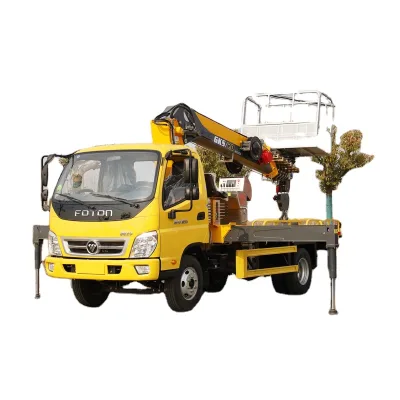


Telescopic Boom Truck Crane 4ton Truck Mounted Crane, 4 Ton Truck with Crane
$13500.00 - $18000.00
MOQ: 1 Pieces


8 Ton Hydraulic Telescopic Folding Boom Crane Truck Mounted Crane for Sale
$12100.00 - $12500.00
MOQ: 1 Set


Customized Telescopic Boom Truck Mounted Folding Arm Hydraulic Crane
$15000.00 - $35000.00
MOQ: 1 Pieces

800kg-2000kg Stationary Crane Telescopic Folding 8m Boom Log Grass Grab Crane
$11500.00 - $12800.00
MOQ: 1 Pieces


Customized Lifting Capacity Crane Truck Telescopic Arm Truck Mounted Crane
$73000.00 - $75000.00
MOQ: 1 Pieces


Easy to Use and Maintain Mobile Folding Arm New Truck Mounted Hydraulic Jib Cargo Lift Crane
$19000.00 - $20000.00
MOQ: 1 set


Crane manufacturer 18 ton truck-mounted crane telescopic boom truck crane
$55816.00 - $57016.00
MOQ: 1 Sets

HBQZ 29T crane for truck mounted with cranes telescopic boom truck mounted crane
$8852.00 - $49352.00
MOQ: 1 Pieces


16 Tons Telescopic Boom Truck Mounted Crane 5 boom truck Cranes for Sale
$41667.00 - $42518.00
MOQ: 1 Sets

Factory customized lifting hydraulic telescopic boom truck mounted crane 18 tons for sale
$57016.00 - $109016.00
MOQ: 1 Sets

HBQZ Telescopic Folding Boom Truck Mounted Crane Knuckle Boom crane On Truck
$8852.00 - $49352.00
MOQ: 1 Pieces

Comprehensive Sourcing Guide
Strategic Sourcing Guide for Folding Telescopic Truck Mounted Cranes
Understanding Technical Specifications and Core Capabilities
When sourcing a Folding Telescopic Truck Mounted Crane, buyers must first establish a clear understanding of the technical parameters that define the equipment's operational envelope. The core functionality of these units relies on a hydraulic system that allows the boom to extend and retract, often featuring a folding mechanism to reduce transport dimensions. Based on observed market data, these units are frequently categorized as multifunctional equipment, designed to handle a variety of lifting tasks beyond simple cargo loading.
A critical specification to verify is the horsepower range, which typically falls between 100 and 160 hp for standard models. This power output directly influences the crane's ability to lift rated capacities, which are commonly observed in the 2 to 4-ton range for lighter configurations, though heavier variants exist. The drive wheel configuration is another vital technical differentiator; buyers should expect to see options ranging from 4x2 to 6x6 configurations, depending on the required terrain capability and load distribution. The steering system is typically equipped with directional assist to ensure maneuverability in tight industrial or construction environments.
The physical dimensions of the crane and the host truck are paramount for logistics planning. Observed data indicates a single package size that can reach up to 600 cm in length, with overall vehicle dimensions often approximating 6000 mm in length, 2230 mm in width, and 2780 mm in height. The wheelbase, a key factor in stability, is frequently listed around 3360 mm. For transport and storage, the folding nature of the telescopic arm is essential, reducing the overall profile significantly compared to fixed-boom cranes. The tires, often specified as 7.00R16, must be matched to the gross vehicle weight, which is observed around 4356 kg for certain models, ensuring the vehicle remains within legal road limits while carrying the crane's rated load.
Compliance, Certification, and Emission Standards
Navigating the regulatory landscape is a non-negotiable aspect of B2B procurement for heavy machinery. Buyers must verify that the supplier adheres to specific emission standards, as these vary significantly by region. In many markets, the EURO 5 standard is a baseline requirement for diesel-powered vehicles, which is the predominant fuel type for these cranes. Failure to meet local emission regulations can result in significant fines or the inability to operate the equipment in urban zones.
Certification serves as a primary indicator of manufacturing quality and safety compliance. The supply chain for these units often references CE and ISO certifications, which validate that the product meets European safety, health, and environmental requirements. Additionally, specific models may carry CCC (China Compulsory Certification) and ISO9000 accreditation, indicating adherence to rigorous quality management systems. It is imperative for buyers to request current, valid certificates rather than relying on generic claims, as certification status can vary between different production batches or specific product lines.
The product standard itself is another area requiring careful scrutiny. While some manufacturers list standards such as "Meet customer's requirements," indicating a high degree of customization, others adhere to established industry norms. For instance, certain configurations may be designed to meet specific export standards, ensuring compatibility with international shipping and handling protocols. Buyers should also verify the "prod_standard" documentation, which may include specific technical codes like SLS1060GYYZ3 or SLS5314GYYZ3, to ensure the exact model matches the intended application.
Cost Drivers and Pricing Variables
The pricing structure for folding telescopic truck mounted cranes is influenced by a complex array of factors, resulting in a wide observed range from approximately $88 to over $109,000 USD. This variance is not arbitrary but reflects differences in capacity, brand reputation, customization levels, and the complexity of the hydraulic systems. The Minimum Order Quantity (MOQ) also plays a role in unit economics, with observed ranges spanning from single items to orders of 50 units.
Several specific attributes drive the cost upward. The maximum lifting weight is a primary determinant; a crane capable of lifting 16 tons will naturally command a higher price than a 2-ton unit. The drive configuration (4x2 vs. 6x6) and the transmission type (manual vs. automatic) also impact the final cost. Furthermore, the inclusion of advanced features, such as remote control operation with specific transmitter and receiver dimensions, adds to the manufacturing complexity and price. The transmitter size, observed around 203106100mm, and the receiver weight of approximately 550g, are indicators of the sophistication of the control system.
Customization is a significant cost driver. While the base product may be a standard "Single" type, the ability to customize color, logos, and specific functional requirements allows buyers to tailor the crane to their brand and operational needs. However, this flexibility often comes with a premium. Buyers should also consider the packing method; "Nude Packing" is generally more cost-effective for domestic or regional transport, whereas "Export Standard" packing, involving robust cartons or specialized crating, adds to the overall expense but is necessary for international shipping.
Typical Applications and Operational Scenarios
The versatility of folding telescopic truck mounted cranes makes them suitable for a diverse range of industries. Their primary application lies in construction, where they are used for lifting steel beams, concrete panels, and machinery components. The "Multifunctional" nature of these cranes allows them to serve as mobile lifting platforms for various tasks, from material handling to equipment installation. The maximum lifting height, often observed as less than 10 meters for standard models, is sufficient for most low-rise construction and utility work.
In the logistics and transportation sectors, these cranes are essential for loading and unloading cargo without the need for separate ground-based cranes. The ability to fold the boom reduces the vehicle's footprint, making it ideal for urban environments where space is at a premium. The "Truck Crane" classification indicates that the unit is integrated directly onto a truck chassis, providing high mobility and rapid deployment capabilities.
Specific applications may also include utility work, such as pole setting or street light maintenance, where the directional assist steering and compact dimensions are advantageous. The rated passenger capacity of 2 to 4 persons suggests that these vehicles can also serve as mobile work platforms, allowing a small crew to travel to the job site with the necessary lifting equipment. For marine applications, specialized models may be designated as "Marine Crane" or "Portal Crane," designed to withstand corrosive environments and handle specific deck-loading requirements.
Supplier Evaluation and Geographic Considerations
When evaluating potential suppliers, geographic origin is a critical factor. The majority of the observed supply originates from Hubei, China, specifically the Suizhou region, which is known as a hub for special purpose vehicles and crane manufacturing. This concentration of industry suggests a mature supply chain with established logistics networks. However, buyers should verify the specific "Place of Origin" for each order, as manufacturing capabilities can vary between facilities within the same region.
Supplier reliability is best assessed through their after-sales service provisions. Trusted suppliers typically offer video technical support and online support to assist with installation, troubleshooting, and maintenance. The availability of these services is a strong indicator of the supplier's commitment to long-term customer satisfaction. Additionally, the "Brand" attribute, such as "Trust," can be a proxy for market reputation, though buyers should conduct independent due diligence to validate brand claims.
The customization capabilities of the supplier are also a key evaluation metric. Suppliers that offer "Customization: Available" for color, logo, and specific functional requirements demonstrate flexibility and a customer-centric approach. Buyers should assess the supplier's ability to meet specific technical requirements, such as the "Maximum Lifting Weight" or "Crane Jib" configuration (e.g., Two-Arm or Straight Arm), to ensure the final product aligns with their operational needs.
Quality Control and Long-Term Procurement Considerations
Ensuring the quality of the crane involves rigorous inspection of both the mechanical and hydraulic components. The condition of the product is typically listed as "New," but buyers must verify the manufacturing date and storage conditions to prevent degradation of seals and fluids. The "Single gross weight" of 4350.000 kg and the "Gross Vehicle Weight" of 4356 kg are critical figures that must be accurate to ensure the vehicle does not exceed legal limits during operation.
Long-term procurement considerations include the availability of spare parts and the durability of the equipment. The "Shaft Number" and "Transmission Type" are mechanical components that will require maintenance over time. Buyers should inquire about the warranty period and the availability of replacement parts for the hydraulic system, tires, and control units. The "Product Name" and "prod_model" should be clearly documented to facilitate future parts ordering.
Furthermore, the "Feature" of the crane, such as whether it is a "Portal Crane" or a standard truck crane, dictates its specific maintenance requirements. Regular inspections of the folding mechanism and the telescopic boom are essential to prevent structural fatigue. Buyers should also consider the "After-sales Service Provided" options, ensuring that the supplier offers comprehensive support for the lifecycle of the equipment. By focusing on these quality control aspects and long-term support, buyers can mitigate risks and ensure a reliable investment in their fleet.
Comparative Analysis of Key Specifications
To facilitate a clearer decision-making process, the following table summarizes the key technical and compliance attributes observed in the market for folding telescopic truck mounted cranes. This comparison highlights the variability in specifications and helps buyers identify the features most relevant to their specific procurement needs.
| Attribute Category | Observed Specification Range / Options | Relevance to Buyer |
|---|---|---|
| Maximum Lifting Weight | 2-4t (Standard), up to 16t (Heavy Duty) | Determines load capacity for specific tasks. |
| Horsepower | 100-160 hp | Indicates engine power and lifting efficiency. |
| Drive Wheel Configuration | 4x2, 4x4, 6x2, 6x4, 6x6 | Affects terrain capability and stability. |
| Emission Standard | EURO 5 | Critical for regulatory compliance in various regions. |
| Certification | CE, ISO, CCC, ISO9000 | Validates safety and quality management systems. |
| Maximum Lifting Height | <10m (Typical) | Defines the vertical reach for lifting operations. |
| Crane Jib Type | Two-Arm, Straight Arm | Influences the folding mechanism and storage profile. |
| Fuel Type | Diesel | Standard for heavy-duty applications; impacts operating costs. |
| Condition | New | Ensures the equipment is not refurbished or used. |
| Place of Origin | Hubei, China (Suizhou) | Indicates manufacturing hub and potential logistics costs. |
| After-Sales Support | Video technical support, Online support | Essential for maintenance and troubleshooting. |
| Customization | Color, Logo, Functional Available | Allows tailoring to brand and specific operational needs. |
By carefully analyzing these specifications and understanding the underlying cost drivers and compliance requirements, buyers can make informed decisions when sourcing folding telescopic truck mounted cranes. The focus should remain on verifying the exact standards and capabilities of the specific supplier, ensuring that the final procurement aligns with both immediate operational needs and long-term strategic goals.
FAQs
What customization options are available for the crane?
Buyers can customize the color and logo to match their brand identity. This customization is available for the Folding Telescopic Truck Mounted Crane, allowing tailored branding while maintaining standard multifunctional capabilities.
Which emission standards do these diesel cranes meet?
The equipment typically meets the EURO 5 emission standard for diesel engines. This ensures compliance with environmental regulations in many international markets while maintaining the required horsepower range of 100 to 160 hp.
How is the maximum lifting weight determined for this crane?
The maximum lifting weight varies by model, with observed ranges from 2 to 4 tons up to 16 tons. Buyers should verify the specific rated loading capacity to ensure it matches their operational load requirements.
Can the crane be operated remotely?
Yes, the system supports remote on and off operation via a dedicated transmitter and receiver. The transmitter measures approximately 203 by 106 by 100 mm, and the receiver weighs about 550 grams for portable control.
What drive wheel configurations are offered for this truck crane?
Available drive wheel configurations include 4x2, 4x4, 6x2, 6x4, and 6x6 setups. These options allow buyers to select a configuration suitable for specific terrain conditions and load distribution needs.
Where are these folding telescopic cranes manufactured?
The primary place of origin is Hubei, China, with specific manufacturing hubs in Suizhou. This region is known for special purpose vehicles, ensuring a mature supply chain for these truck cranes.